
- You are here:
- Home »
- Disease
Category Archives for Disease
Caloric restriction has a protective effect on chromosomes

40% calorie reduction from birth seems pretty extreme to me to get a life extension effect. A study by the Spanish National Cancer Research Centre found this sustained food reduction IN MICE translated to
Continue reading
Blood Pressure and Accelerated Brain Aging

According to this article in Brain Blogger, less than 60% of people with high blood pressure or hypertension get treatment for their condition. It also shows a darn good reason to control/lower blood pressure if we want to avoid premature aging.
Continue reading
Grape Seed Extract Effective In Colorectal Cancer Treatment

A new study by the University of Colorado has found grape seed extract effective in inhibiting the growth of colorectal cancer cells. In fact the researchers found late stage cells and “chemotherapy resistant cells” particularly responsive.
Continue reading
Long Term Effects on Life Expectancy From Quitting Smoking

Research published in the New England Journal of Medicine has uncovered some interesting stats on life expectancy and smoking.
Continue reading
How Safe is Hormone Replacement Therapy?

An interview with the executive director of the North American Menopause Society is a nice general overview, but to me doesn’t go far enough.
Continue reading
Heart Failure Deaths Linked to Glucose Levels

High glucose levels in patients admitted with stroke and other critical illnesses is known to create worse outcomes. There is also data linking blood glucose levels with heart health in general.
Continue reading
Gazpacho associated with lower blood pressure

While previous studies have found that some of the ingredients of gazpacho – tomato, cucumber, garlic and olive oil are linked to lower blood pressure, this one showed the link to not just the combined ingredients, but that salt was included.
Continue reading
Green tea trumps rivals for antioxidant and antimicrobial properties

Korean researchers examined extracts from 11 different teas, including several herbal teas, rooibos as well as green and black tea for their antioxidant and anti microbial properties. The potential being for natural preservatives and killing bacteria in food.
Continue reading
Snoring may be early sign of future health risks

A Henry Ford research team conducted a study that adds to growing evidence that loud snoring can put you at risk for carotid artery disease and therefore the risk of cardiovascular disease.
Continue reading
Aspirin Linked to Blinding Eye Disease
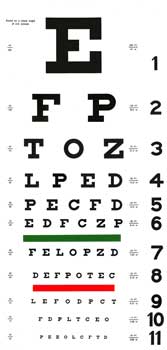
So we have all been told that low doses of aspirin to prevent heart attack and stroke. Now new research from Australia has found regular aspirin users are more than twice as likely to develop a type of macular degeneration.
Continue reading