
- You are here:
- Home »
- Diet
Category Archives for Diet
Exercise Before Breakfast Better for Fat Loss
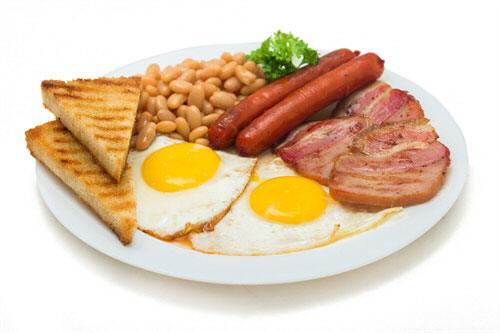
A small study at Northumbria University found exercising on an empty stomach burned 20% more fat than those who had breakfast first. They had actually set out to prove the idea that exercising doesn’t make you eat more than you burn.
Continue reading
Tiny snacks just as satisfying
Cornell University recently conducted a “snacking study” which showed we are just as satisfied with small portions versus large portions.
Continue reading
Tough times messages can make you fat
A study at the University of Miami has found you can prime someone to prefer high calorie foods using “tough times” messages. To me, this is one more reason to not listen to the news especially first thing in the morning.
Continue reading
Intermittent Fasting for Antiaging?

This is an interesting article discussing 3 different studies on intermittent fasting, as it relates to weight loss, cellular repair and glucose tolerance
Continue reading
Hydrogen sulfide and antiaging
Hydrogen sulfide is most commonly known as rotten egg gas and is poisonous, corrosive, flammable and explosive according to Wikipedia. So what then is a claim by Chinese researchers that the compound can have antiaging effects?
Continue reading
Benefits of Coffee Leaf Tea
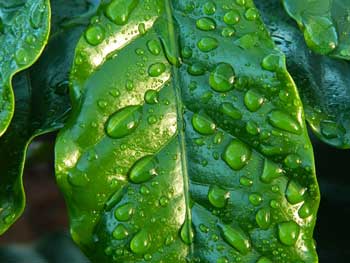
Coffee leaf tea (as opposed to coffee which is made from beans) could partly be the reason for India having a continuing low rate of diabetes, even though many consume a more Western diet. Another reason might be the heavy use of spices such as turmeric.
Continue reading
Binge drinking causes insulin resistance

Researchers at the Icahn School of Medicine discovered that alcohol inflames the hypothalamus, disrupting insulin signaling and impairing glucose tolerance (insulin resistance).
Continue reading
Small Activities May Equal A Trip To The Gym

Most of us don’t do regular exercise because we think we don’t have time. That unless we can schedule regular blocks of time to go to the gym or a fitness class, it is pointless to even try. Researchers at the Oregon State University found doing small amounts of exercise (even 1 or 2 minutes) […]
Continue reading
Diet change can have rapid impact on inflammation
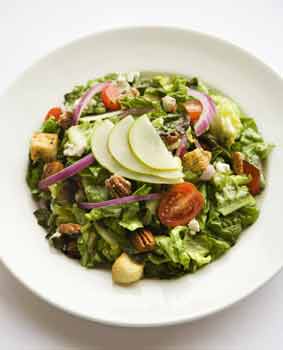
Inflammation is not only a killer, but a huge aging accelerator. Inflammation underlies many diseases, like autoimmune diseases, some cancers, cardiovascular disease as well as type 2 diabetes and even Alzheimer’s.
Continue reading
Potassium and Metabolic Syndrome
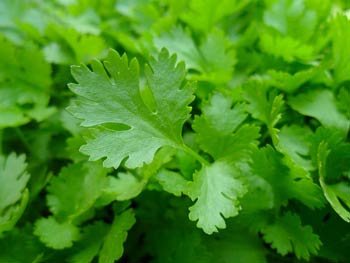
Lower potassium is associated with diabetes. Now researchers have been able to connect potassium intake with the risk of insulin resistance and metabolic syndrome in women.
Continue reading